
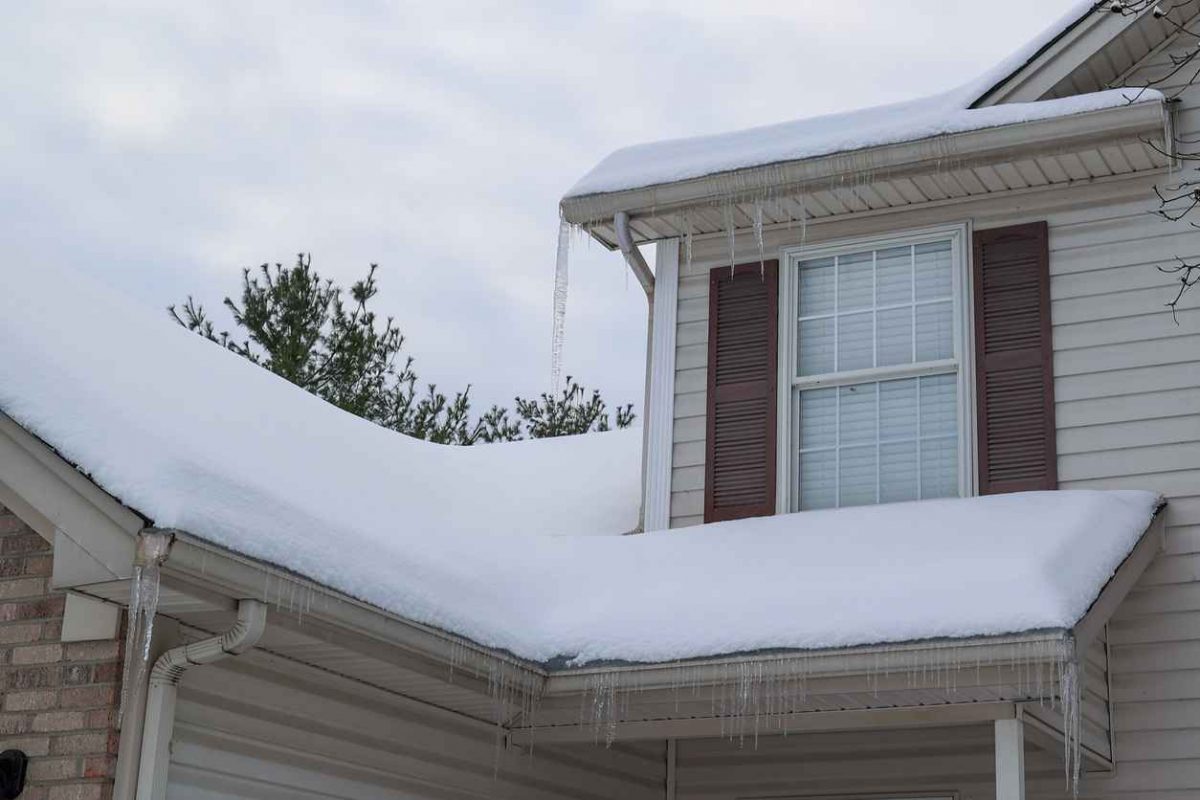
Signs Winter Roof Damage Needs Immediate Attention
Winter can be unforgiving on your home’s exterior. Snow, ice, fluctuating temperatures, and freezing rain all put your roofing system under stress. While many homeowners assume roof issues can wait until warmer weather, certain types of winter damage should be addressed immediately to prevent more serious and costly problems.
Knowing when to act can protect your home, your investment, and your peace of mind.
The Risk of Waiting
Cold temperatures often make roof repairs more difficult, but delaying necessary repairs can allow minor damage to escalate. Small issues during winter can quickly turn into:
- Interior water damage
- Insulation deterioration
- Mold and mildew growth
- Structural weakening
- Higher repair costs in the spring
Not all winter roof problems require emergency service, but some situations demand prompt professional attention.
Ice Dams Causing Active Leaks
Ice dams are one of the most common winter roofing concerns. When heat escapes through your attic, snow melts and refreezes at the roof edge, creating a barrier that traps water behind it.
If you notice:
- Water stains on ceilings or walls
- Dripping water inside the home
- Peeling paint near rooflines
You should not wait until spring. Trapped water can work its way beneath shingles and into your home, causing ongoing damage as long as freezing conditions continue.
Sagging or Uneven Roof Areas
Heavy snow accumulation can place significant weight on your roof structure. If you see sagging rooflines, uneven snow distribution, or hear unusual creaking sounds, the structural stress may be more than your roof was designed to handle.
In these cases, professional evaluation is essential to prevent long-term structural compromise.
Missing or Damaged Shingles After a Storm
Winter storms with high winds can loosen or remove shingles. Even if the damage appears minor, exposed areas allow moisture to penetrate beneath the roofing materials.
If you spot:
- Shingles in your yard
- Bare or dark patches on the roof
- Lifted or curling shingles
A prompt inspection can help prevent further water intrusion.
Flashing or Vent Damage
Roof penetrations such as chimneys, vents, and skylights are especially vulnerable during winter. Damaged flashing or loose seals can allow water to enter during snowmelt or freezing rain.
Addressing these issues quickly helps maintain the integrity of your roofing system and prevents moisture from spreading beneath the surface.
Interior Warning Signs You Should Never Ignore
Sometimes, the first signs of winter roof damage appear inside your home. Be alert for:
- New ceiling stains
- Drafts in the attic
- Wet insulation
- Musty odors
Interior symptoms often indicate active moisture intrusion that should be evaluated immediately.
When It Is Safe to Wait
Cosmetic concerns, minor granule loss, or very small isolated issues that are not allowing water intrusion may be monitored until spring. However, determining whether damage is superficial or structural requires a trained eye. A professional inspection can provide clarity and prevent guesswork.
Protecting Your Home Through Winter With Landmark Exteriors
At Landmark Exteriors, we understand the unique winter conditions homeowners face in Connecticut. Our team provides thorough roof inspections, winter-damage assessments, and safe solutions to protect your home during the coldest months of the year.
If you suspect winter roof damage, it is better to address it early rather than risk compounding problems. Spring will come, but your roof cannot always afford to wait. Contact the experts at Landmark Exteriors in Norwalk, CT, for help today!